
For food factories and central kitchens that need batch tracking and real recipe costs in the same system as their branches and accounting.
AzkaTech set up Odoo for Hallab 1881, which ran 12 separate programs before, and for Interbrand and Sannine.
Official Odoo Gold Partner. Implementing Odoo since 2015.




Who it’s for
You make batches every day and sell them in your own branches, and maybe take catering orders too.
Production lines and bottling, with trucks delivering to shops on fixed routes.
You buy in bulk and supply supermarkets and restaurants, so every pallet has a lot number and an expiry date.
One kitchen cooks for events, offices or several outlets.
The problem
The system shows a quantity but not which batch it is or when it expires, so older stock sits at the back of the shelf.
Ingredient prices change every month, but the cost in the Excel sheet stays the same and margins shrink quietly.
Each branch orders by phone or WhatsApp. One over-orders and throws stock away while another runs out.
A supplier reports a bad delivery and someone goes through paper and spreadsheets to find which products used it.
01 · Batches and expiry
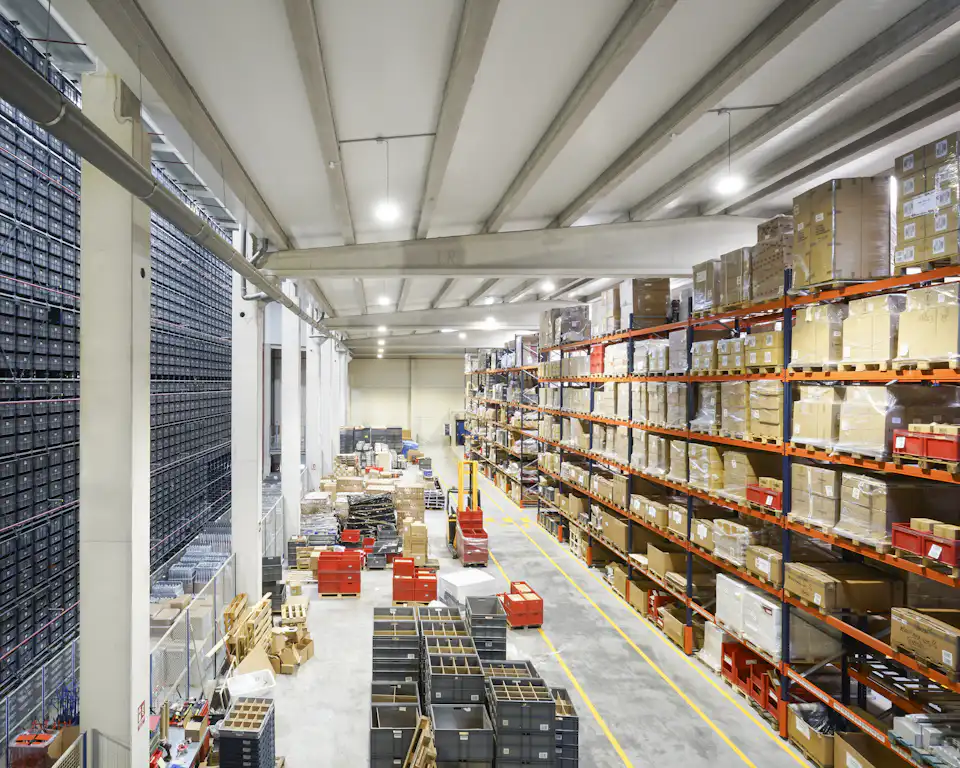
Once lots and expiration dates are on in Inventory, every batch gets its own number and expiry date when it arrives or comes off the production line. On each product you set how long it lasts and how many days before expiry it should leave the shelf. The team gets an alert before that date. With the FEFO removal strategy, Odoo reserves the batch that expires first, not the one that arrived first.
When a supplier calls about a bad delivery, you open that lot and the traceability report shows which production orders used it and which customers received the finished goods. Lot numbers can also print on delivery slips.
Example. Lot A arrives on 1 October and expires on 30 November. Lot B arrives on 10 October but expires on 20 November. With FIFO, Odoo would send Lot A first. With FEFO it sends Lot B, because it expires sooner. If the removal time is 5 days, Lot B has to leave the warehouse by 15 November.
Who it’s for
Warehouse and quality teams.
Outcome
When someone asks about a batch, the answer is one search away.
02 · Recipes and production
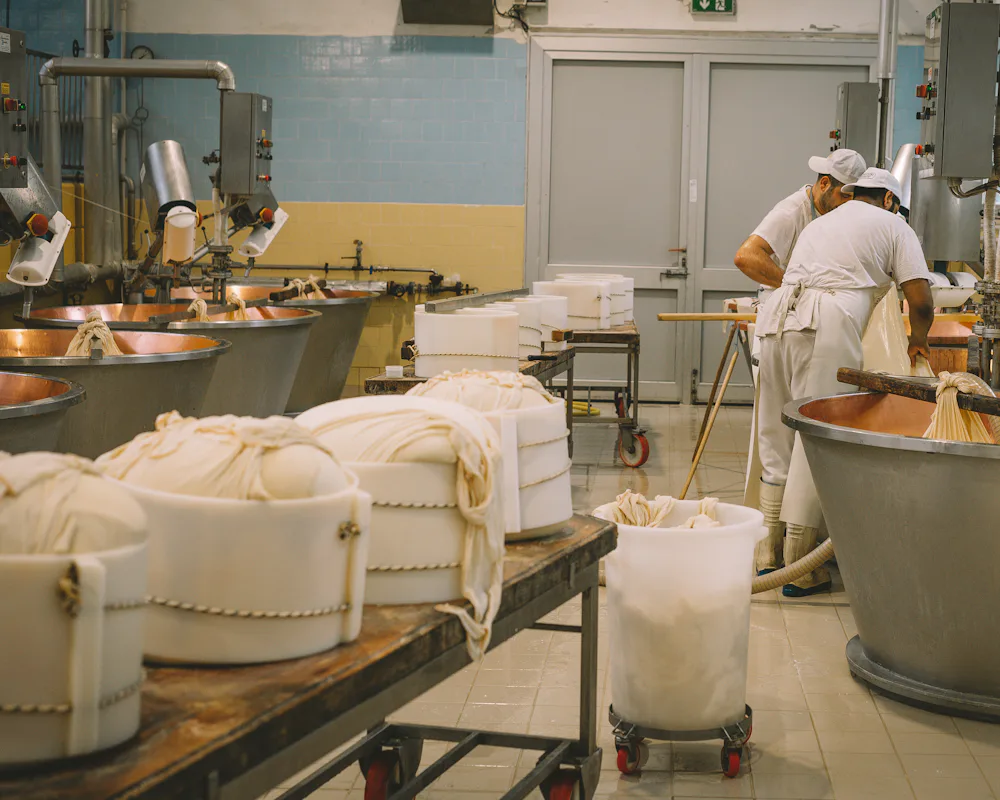
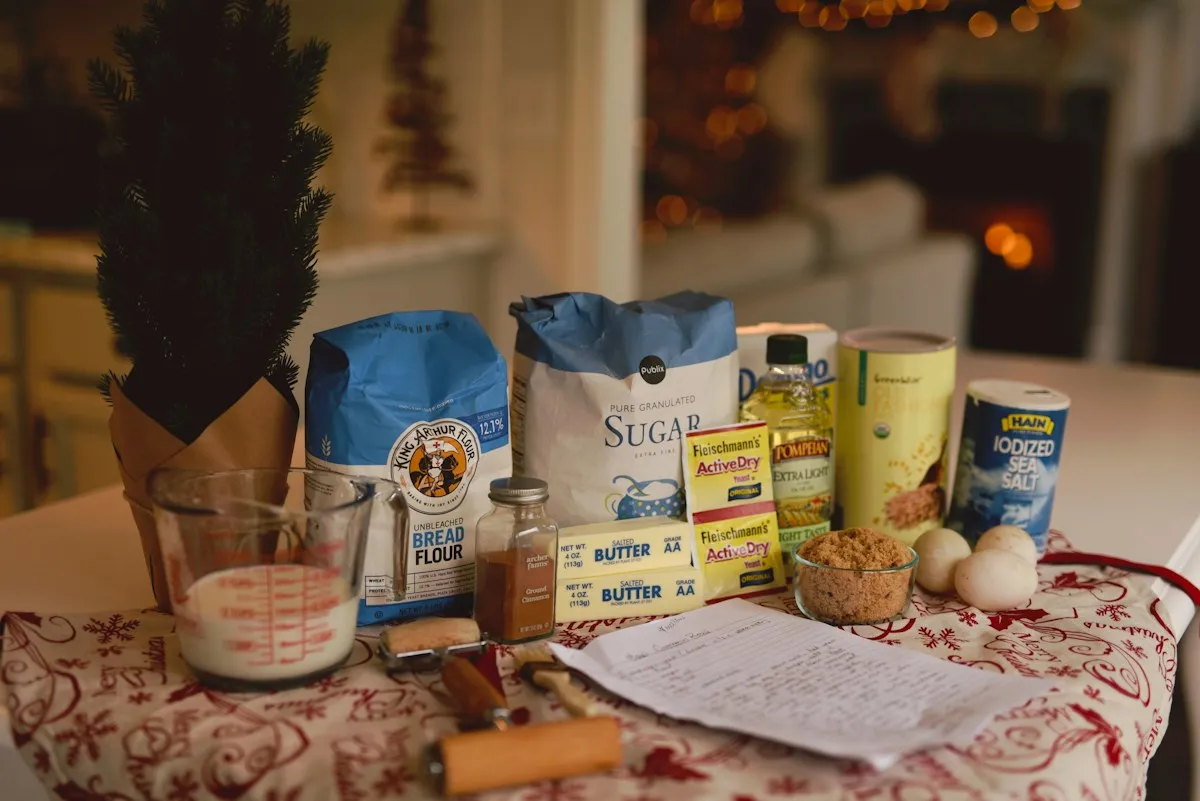
A recipe is a bill of materials in Odoo. It lists each ingredient and the quantity for one batch. You can buy in kilos or cartons and use grams in the recipe, and Odoo converts between them.
When a batch is finished, the ingredients leave stock and the finished product gets its own lot number and expiry date. If the batch comes out smaller than planned, you record the real quantity and the cost per unit goes up with it, so losses show in the numbers instead of being hidden.
Example. A production order is planned for 100 boxes and the ingredients cost $400, so each box should cost $4.00. The batch only makes 92 boxes. You record 92, and Odoo puts the cost at about $4.35 a box. The 8 missing boxes show up as a cost, not as stock that doesn’t exist.
Who it’s for
Production managers and kitchen teams.
Outcome
The kitchen and the warehouse work from the same stock.
03 · Product costs
Each production order uses what the ingredients cost at that time, so when an ingredient gets more expensive the next batch shows it. Labor and machine time can be added through work centers. For imported ingredients, landed costs add shipping and customs to the product cost.
Finance then compares the cost of each product with its selling price, per branch if needed.
Example. You import a container of ingredients for $10,000 and pay $800 for shipping and customs. With landed costs, that $800 is spread over the ingredients, so they cost 8% more in stock. Every product made with them carries the real cost.
Who it’s for
Finance teams and owners.
Outcome
A thin margin shows up in a monthly report, not at year end.
04 · Branches and catering
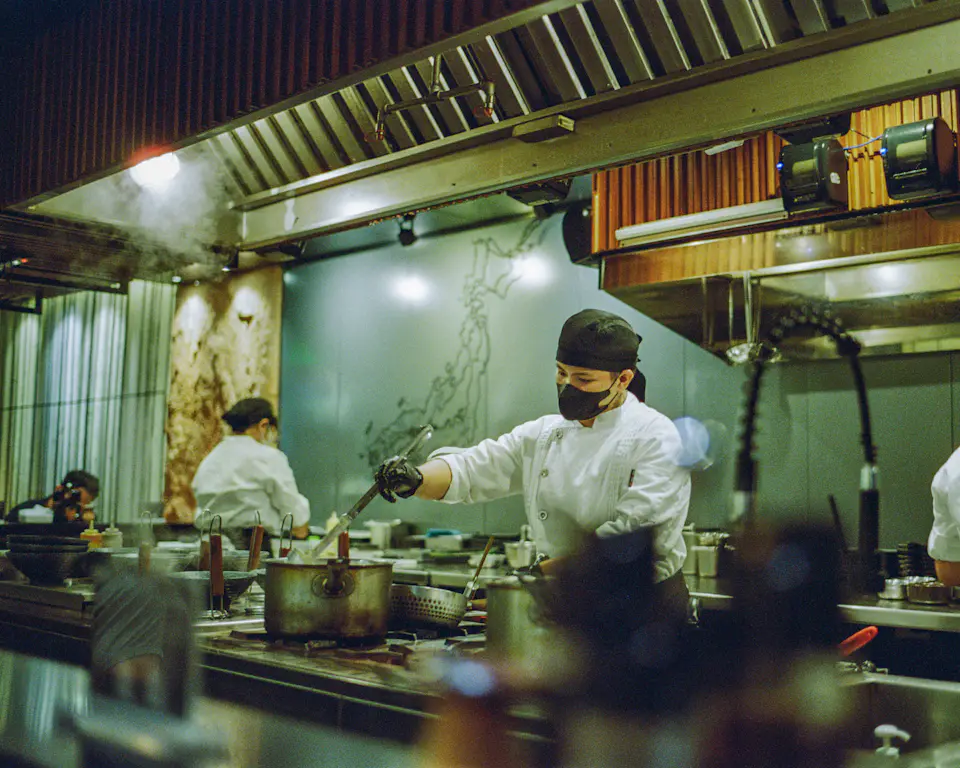
Shops and cafés sell through Odoo Point of Sale, and orders show on a kitchen screen as they come in. A menu item can carry its own recipe as a kit, so each sale takes its ingredients out of stock.
Catering orders are quoted in Odoo Sales with the menu and quantities, and the client signs online. Wholesale customers get their own price lists. In the Gulf, Odoo can receive orders from delivery apps like Talabat and Careem through UrbanPiper.
Who it’s for
Branch managers and sales teams.
Outcome
A sale in any branch updates the stock head office sees.
How it works
Pass or fail checks and measurements at receipt and during production. A failed check opens a quality alert.
Branches request stock and head office buys. Reorder rules suggest a purchase when an ingredient runs low.
Invoices and payments in both currencies with your rate of the day. Exchange differences post on their own.
Production equipment gets planned checks, and breakdowns are logged with repair time.
Staff records and time off sit in Odoo, with Lebanese payroll if you need it.
Implementation
AzkaTech uses AI at every phase of the Odoo project, from the first workshop until after go-live.
AI capability · Discovery
We sit with each department and ask how they work today. AI turns those notes into the list of what Odoo needs to cover.
AI capability · Mapping
AI matches your product list and recipe sheets to Odoo and flags missing units or ingredients.
AI capability · Configuration
We set up standard Odoo first. AI drafts the setup notes and a short guide for each team.
AI capability · Testing
Test cases are built from your real recipes and orders. Your team runs them before launch.
AI capability · Governance
AI follows open issues and training per branch, so problems show before launch day.
AI capability · Post Go-Live
After launch, our team in Beirut stays with you, with a knowledge base written around your setup.
Client proof
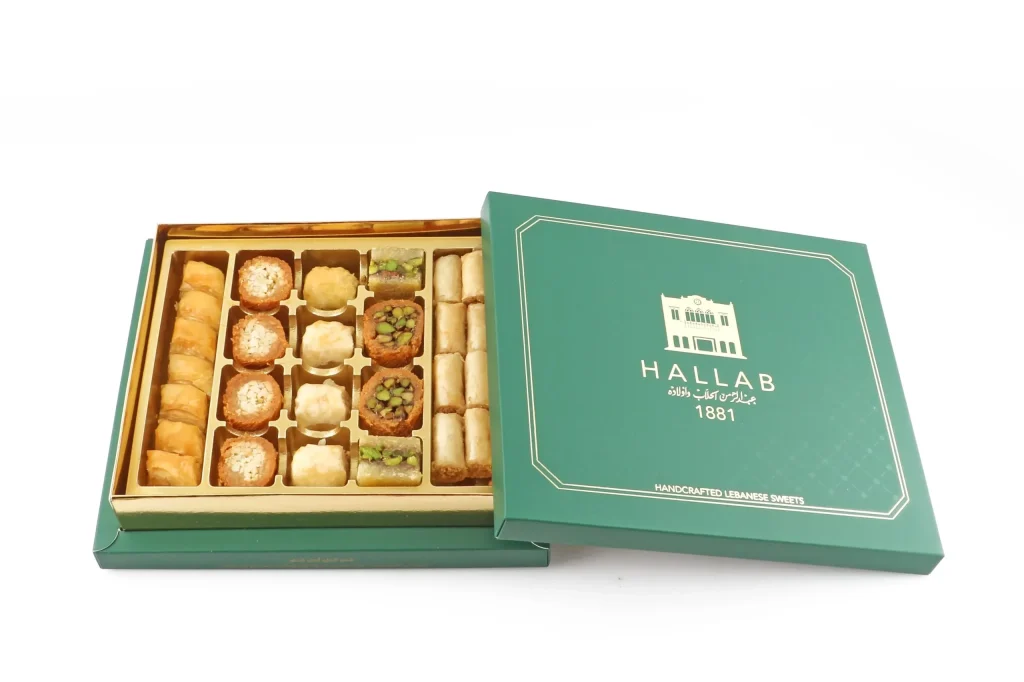
Case study · Lebanese sweets maker since 1881
Food and beverage manufacturing and distribution in Lebanon
Juices, ketchup and mineral water, made and distributed across Lebanon. They came to us after an earlier Odoo project with another partner didn’t work out. We tested each phase in pilot sessions with their own data before rolling it out, and today one Odoo runs production, route sales and accounting in fresh USD and LBP across the group’s companies. Read the Interbrand case study
Catering in Kuwait
Runs Abhar Catering and Lazurd. They moved from Foodics, Excel and paper records to Odoo with AzkaTech. Read about our catering ERP
FAQ
It depends on your size and how you make your products. Specialist food ERPs are built for large plants with strict audit rules. Odoo fits small and mid-size food companies that make batches and want their branches and accounting in the same system. We tell you early if your process needs something Odoo doesn’t do.
Both are available. For food, set the removal strategy to FEFO on the product category or the warehouse location. Odoo then reserves the lot with the nearest removal date, even if it arrived later.
Yes. Give the menu item a bill of materials of type kit, listing each ingredient and its quantity. Each sale then takes those ingredients out of stock, and the item’s cost follows the ingredients.
Yes. Set an alert time on the product, in days before expiry, and Odoo raises an alert on every lot that reaches it. You can also filter the lots list to see what is about to expire.
On the production order, enter the quantity you actually made and the ingredients you actually used. The cost per unit goes up to match, and the shortfall stays visible in production reports.
Yes. Each product has a purchase unit and a stock unit in the same category, and the recipe can use a smaller unit like grams. Odoo converts the quantities and the cost.
Not in standard Odoo. A product is either sold by the piece or by weight. If you need both on the same item, there are add-ons on the Odoo Apps Store, and we check which one fits before you buy.
For a single café that only needs a till, Foodics is simpler. Once you have a central kitchen or more than one company, Odoo keeps recipes and accounting in one system. Al Arbashi Group moved from Foodics to Odoo with us for that reason.
Yes, through UrbanPiper, which needs its own subscription. It brings orders from Talabat, Careem, Deliveroo and other apps into Odoo Point of Sale. Check that your delivery app is on UrbanPiper’s list first.
Odoo charges per user per month. Manufacturing and Quality are part of the paid plans, and running several companies needs the Custom plan. Our Odoo pricing guide has the current numbers.