

Success Story | Colibri Hotel & Restaurant
Transforming Hospitality & Food Operations for Colibri Hotel into One Connected ERP Ecosystem
Most catering businesses start the same way — a notebook, a few spreadsheets, and a WhatsApp group for the kitchen. Why catering companies need ERP usually becomes clear once operations start scaling.
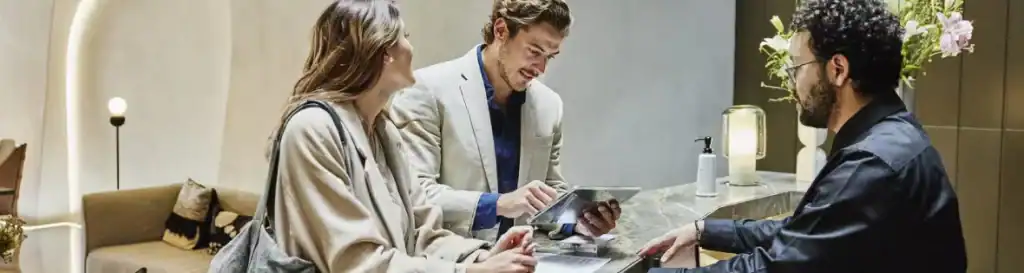
ERP — Enterprise Resource Planning — is software that connects all the moving parts of your business into one platform. Instead of sales in one tool, kitchen schedules in another, and accounting somewhere else, everything lives together and talks to each other in real time.
For catering specifically, that means your event bookings connect to your kitchen, your kitchen connects to your inventory, your inventory connects to procurement, and all of it connects to your accounts. One confirmation from a client sets off a chain of actions across your whole operation — automatically.
Before we get into what ERP does, here’s how you know you need it:
If two or more of these sound familiar, you’re not running a process problem — you’re running a systems problem. And ERP solves systems problems.
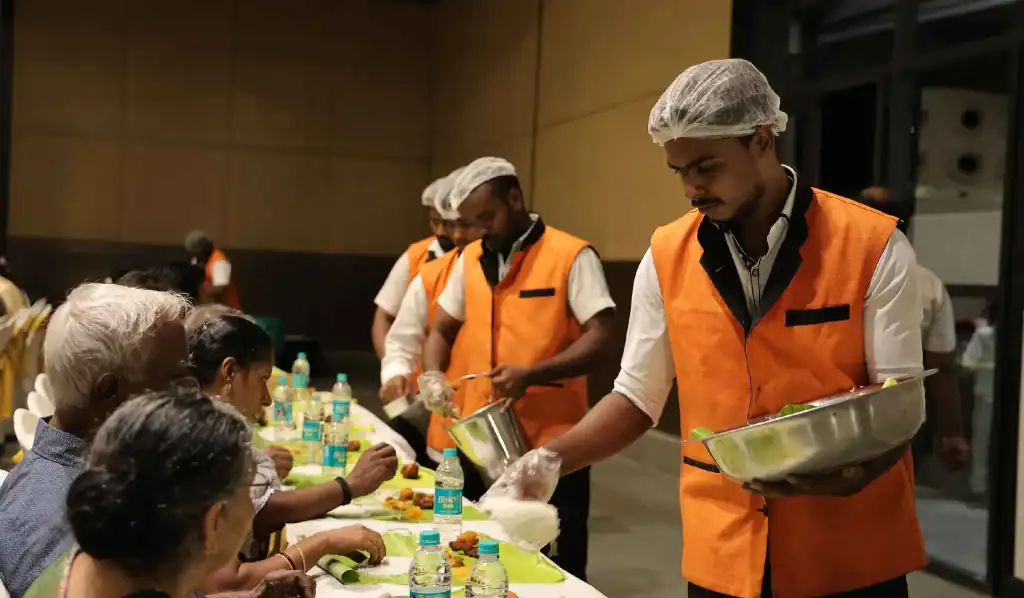
1. It saves your team serious time Manual operations eat hours that should be spent on clients and events. With the right catering management software, purchase orders generate automatically from confirmed menus, invoices issue when events close, and production orders go straight to the kitchen without anyone typing them up. Your team stops being administrators and goes back to being operators.
2. It brings your food costs under control Food waste is one of the biggest margin killers in catering, and most of it is invisible. You over-order because you’re not sure what’s in stock. You over-produce because the recipe wasn’t scaled properly. You buy at cash-and-carry prices because the planned delivery was short. ERP for catering fixes this by linking purchasing directly to event recipes and real inventory levels — so you buy what you need. You buy what you need. Nothing more.
3. It gives you inventory you can actually trust How much parsley do you have right now — across all your kitchens? If the answer is “I’d have to check,” that’s the problem. A proper catering ERP system tracks stock in real time across every location, flags ingredients approaching expiry, enforces first-in-first-out rotation, and alerts you before you run short. No more surprises the morning of an event.
4. It makes event coordination manageable When a client changes their guest count from 200 to 180 three days before the event, that change needs to reach the kitchen, procurement, staffing, and billing — immediately. Without connected systems, someone always misses the memo. With connected operations software, one update flows through every department automatically.
5. It connects your teams Sales, kitchen, logistics, and finance are often working from completely different information. The sales team quotes based on last month’s ingredient prices. The kitchen preps based on a headcount that got updated by email. Accounting invoices from a version of the event that nobody else recognizes. The platform gives every department the same live operational data, so decisions are made on facts — not assumptions.
6. It shows you where you’re actually making money This is the one that surprises most catering businesses. When you implement the solution properly, you get a real P&L per event — actual food cost, actual labor, actual overhead, compared to what you quoted. For the first time, you can see which event types are profitable, which clients negotiate margins down to nothing, and which menus are costing you more than they’re bringing in. That visibility changes how you price, what you take on, and how you grow.
The most common options in the market are SAP, Microsoft Dynamics 365, and Odoo. For most catering companies — especially in the MENA region — Odoo is the practical choice. It covers every workflow a catering business needs natively: event management, recipe costing, inventory, staff scheduling, and accounting. It’s fast to implement, affordable at any scale, and fully available in Arabic.
SAP and Dynamics 365 are built for large enterprises with big IT teams and long implementation timelines. Odoo is built for growing businesses that need results in weeks, not years.
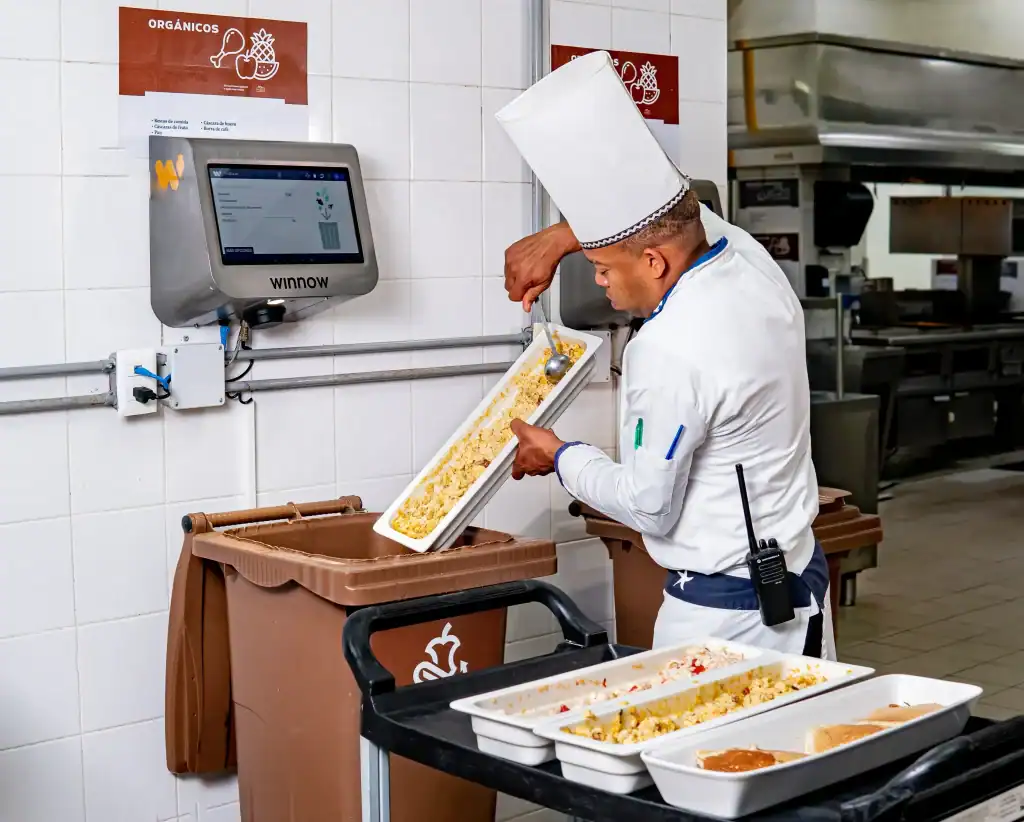
Food waste in unmanaged catering operations typically runs between 15–25% of total food cost. Here’s how catering management software brings that number down:
Most catering companies that implement Odoo properly see a measurable reduction in food waste within the first six months.
Earlier than most companies wait.
The best time to implement a connected business system is when you’re growing but not yet overwhelmed — when you can still set it up properly without the pressure of a broken operation. Companies that implement at 15–20 events a month scale confidently to 100+. Companies that wait until they’re drowning implement under pressure and get worse outcomes.
If you’re feeling the strain now, that’s your signal.
Azkatech is an official Odoo Gold Partner based in Lebanon, with 100+ ERP implementations across 23+ countries. We’ve worked with catering companies, food suppliers, and hotel F&B operations across the MENA region — and we know the difference between a generic ERP rollout and one that actually fits how a catering business works.
We configure Odoo around your workflows, train your team properly, and stay with you after go-live. Most of our catering implementations are live within 8–14 weeks.
Companies That Made the Switch
Transforming Hospitality & Food Operations for Colibri Hotel into One Connected ERP Ecosystem

Digitizing a Pioneer of Lebanese Sweets: Hallab 1881’s Journey to Integrated Excellence with Odoo
Tell us about your operation. We’ll show you exactly how Odoo fits it.