
A new ERP can give a Lebanese company one place for accounting, sales, stock and payroll. Done badly, it becomes an expensive system nobody uses. This ERP implementation guide walks through the phases, the costs, the mistakes to avoid and the checks that matter for companies working in Lebanon.
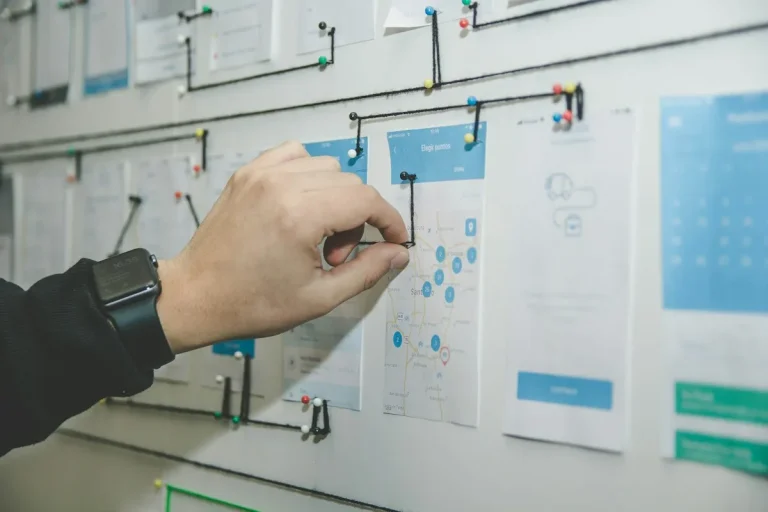
Most ERP projects that go wrong fail for the same few reasons. None of them are about the software itself:
| Reason | What it looks like | How to avoid it |
|---|---|---|
| Poor planning | No clear scope, no timeline, no agreed budget | Write down processes and goals before any setup starts |
| Weak training | Staff go back to Excel after go-live | Train each team on its own daily tasks, with real data |
| No owner at the top | Decisions wait for weeks | The owner or a senior manager signs off and follows up |
| Scope creep | New requests keep pushing the launch date | Freeze the first phase and list new ideas for phase two |
| Bad data | Duplicate customers, wrong stock, old balances | Clean the data before it moves into the new system |
A good implementation moves through five phases. Each one ends with something you can check before moving on:
| Phase | Main work | What you have at the end |
|---|---|---|
| 1. Planning | Form the project team (a project manager, key users from each department, IT), document how work is done today, agree on goals and budget | Project charter, requirements, timeline with milestones, approved budget |
| 2. Design | Set up the chart of accounts and currencies, map each process to the ERP, design reports, plan the data move | Agreed design for every department |
| 3. Build and test | Configure the system, clean and import the data, test every workflow with the people who will use it | A tested system and signed-off user acceptance tests |
| 4. Training | Train each role on its own tasks, write short guides, name a super-user per department | Users who can do their daily work in the new system |
| 5. Go-live and support | Launch, fix issues fast, then improve and add features | A system the whole company uses every day |
For an Odoo project, a small implementation with a few apps usually takes 4 to 8 weeks. A project covering several departments, accounting and data from an old system usually takes 2 to 6 months.
The design phase is where a Lebanese company’s needs must be built in, not added later:
Getting these right at the start saves weeks of fixes after go-live. See how this works in a Lebanese accounting system.
Standard test scripts are not enough. Test the cases that happen every week in Lebanon before you go live:

People don’t need to learn the whole system. They need to learn their part of it, well:
| Role | What to train on |
|---|---|
| Owners and managers | Dashboards, approvals and the reports they read each week |
| Accounting | Invoices, bills, bank reconciliation, VAT and month-end close |
| Warehouse | Receipts, deliveries, transfers and stock counts |
| Sales | Quotations, orders, invoicing and the CRM pipeline |
| Cashiers | Point of Sale, payments, refunds and closing the session |
Learn more about Odoo training for users and admins.
A staged launch gives your team time to catch mistakes while the old system is still there:
| When | What to do |
|---|---|
| Week 1: soft launch | Run the new ERP next to the old system, compare the results every day and fix differences at once |
| Weeks 2 to 4: full launch | Stop using the old system, watch performance and answer user questions quickly |
| Months 2 to 3: improve | Fix slow steps, turn on more features, add the next apps and measure against your goals |
Avoid going live in your busiest season. For a retailer that means not in December, and for many companies not during year-end closing.
The software subscription is only one part of the first-year cost. Plan for every line:
| Cost line | What drives it |
|---|---|
| Software subscription | Number of users and the plan or edition you choose |
| Implementation work | Number of apps, departments, companies and branches |
| Data migration | How much data, from how many sources, and how clean it is |
| Custom features | Each one must be built, tested and kept working after upgrades |
| Training | How many people, how many roles, how many sessions |
| Hardware and hosting | POS devices, printers, scanners and where the system runs |
| Support after launch | How much help your team needs once the project ends |
For current Odoo subscription prices, see the Odoo pricing guide.
Use this list to know the implementation is really working:
| When | Check that |
|---|---|
| Week 1 | Every user can log in, migrated data is correct, daily transactions post without errors, key reports show the right numbers |
| Month 1 | The first month-end close is done in the ERP, financial statements are correct, every department uses the system, super-users solve most questions |
| Month 3 | Processes run without workarounds, users are confident, you track your goals and the next apps or phase is planned |
Azkatech is an official Odoo Gold Partner in Beirut, with 15+ years of experience and 100+ Odoo projects in Lebanon and the Middle East. One team handles the whole Odoo implementation:
It depends on the scope. A small Odoo project with a few apps usually takes 4 to 8 weeks. A project covering several departments, accounting and data from an old system usually takes 2 to 6 months.
Planning, design, build and test, training, and go-live with support. Each phase should end with something the company can check, such as signed requirements or passed user tests.
The usual reasons are poor planning, weak training, no senior owner, new requests added during the project and bad data moved from the old system.
The cost has two parts: the software subscription, based on users and plan, and the implementation work, based on apps, data, custom features and training. A partner should give a detailed proposal after a discovery meeting.
Yes, for a short period. Running both for the first week or so lets you compare results every day and fix differences before you switch off the old system.
Odoo can record transactions in USD and LBP and report in both. It must be set up with the exchange rates you use and with VAT reporting in Lebanese pounds.
Timelines and costs in this guide are typical ranges. Your project depends on your scope, your data and your team’s time.
Tell us how your company works today. We’ll show you what an Odoo implementation would look like for you.